“People, We created you from a male and a female, and made you nations and tribes so that you may know one another. The best among you in the sight of God is the one who is most mindful of God. God is All-Knowing and All-Aware.”
~ Holy Quran 49:13 (Safi Kaskas)
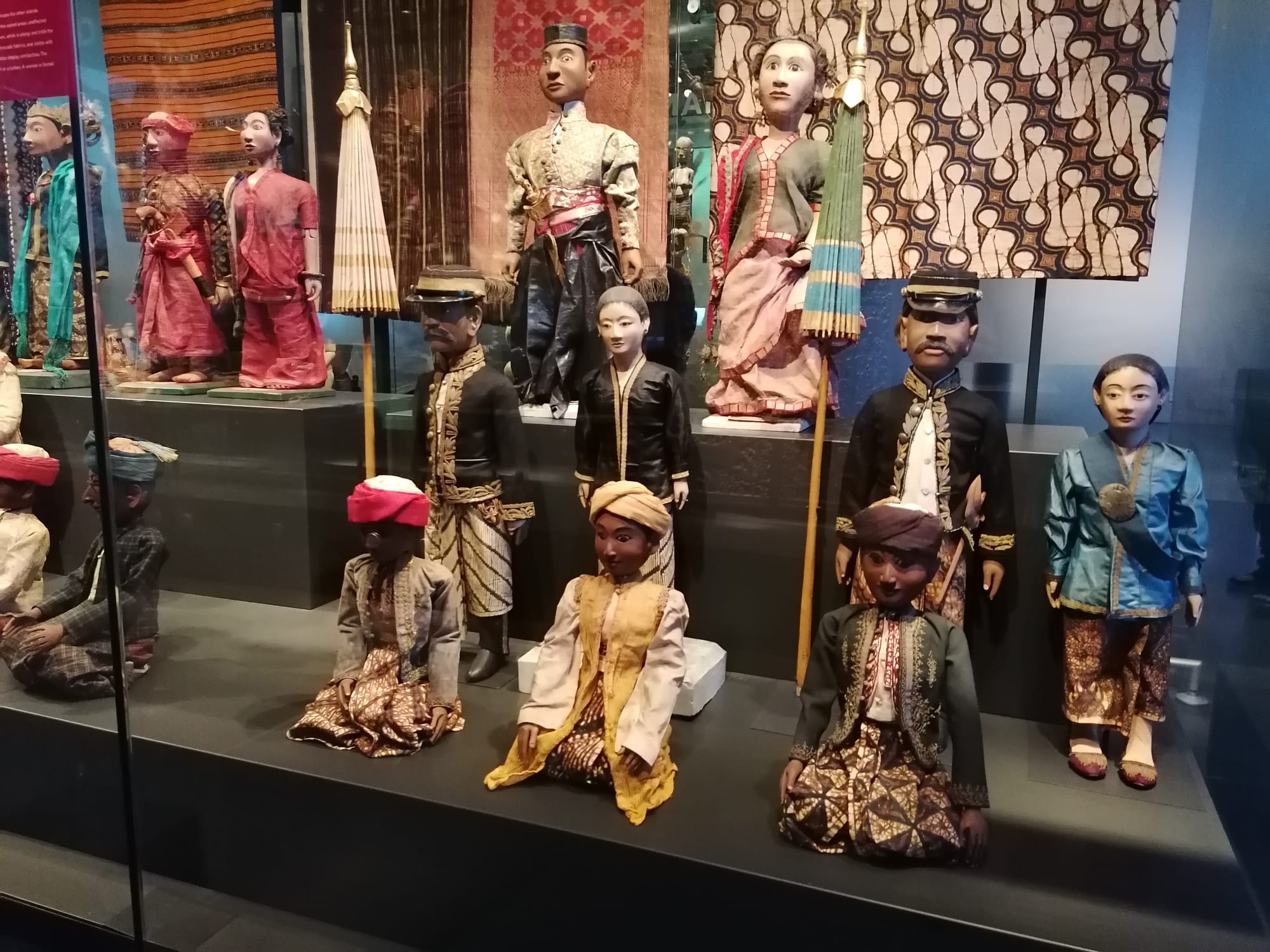
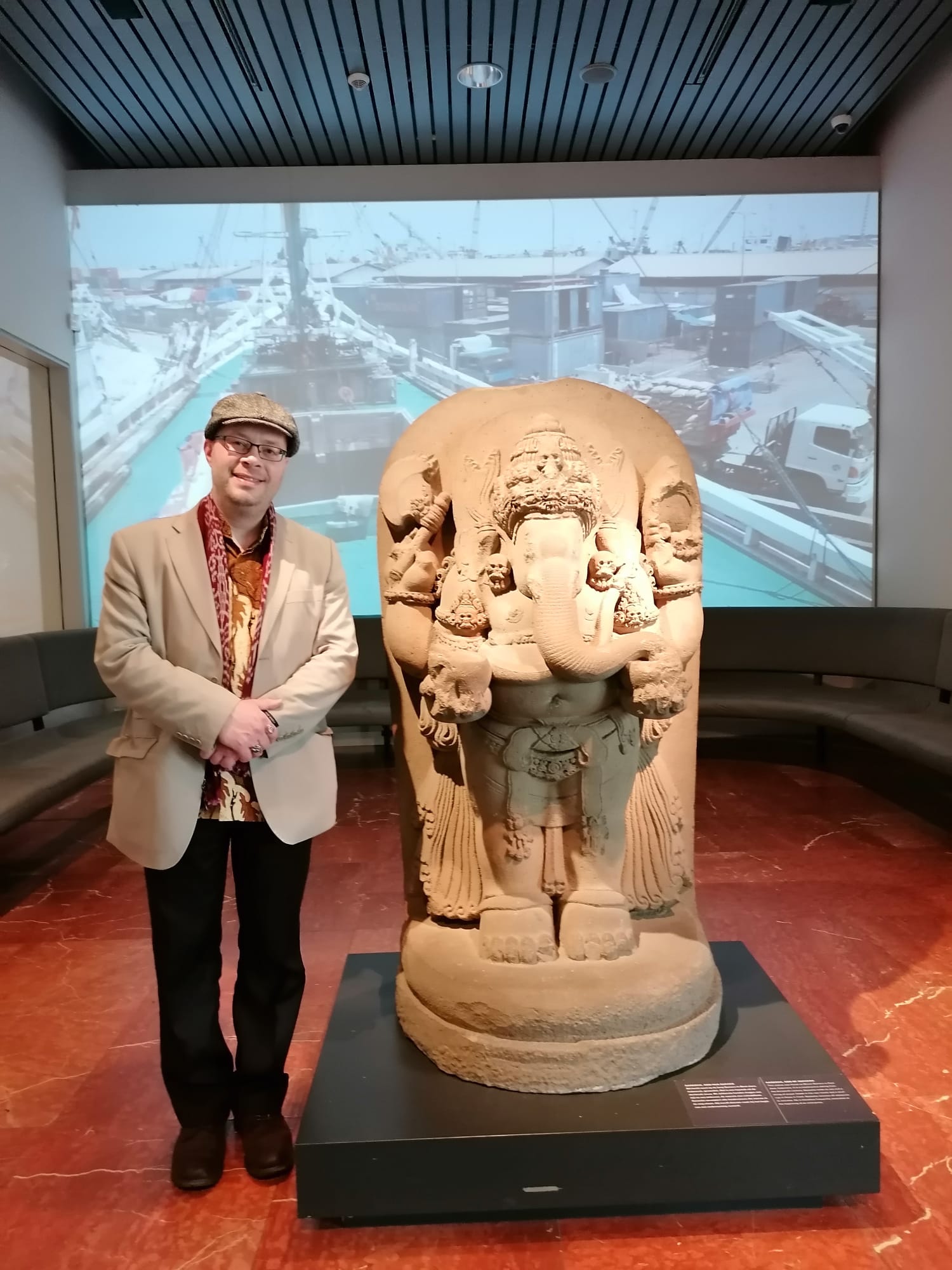
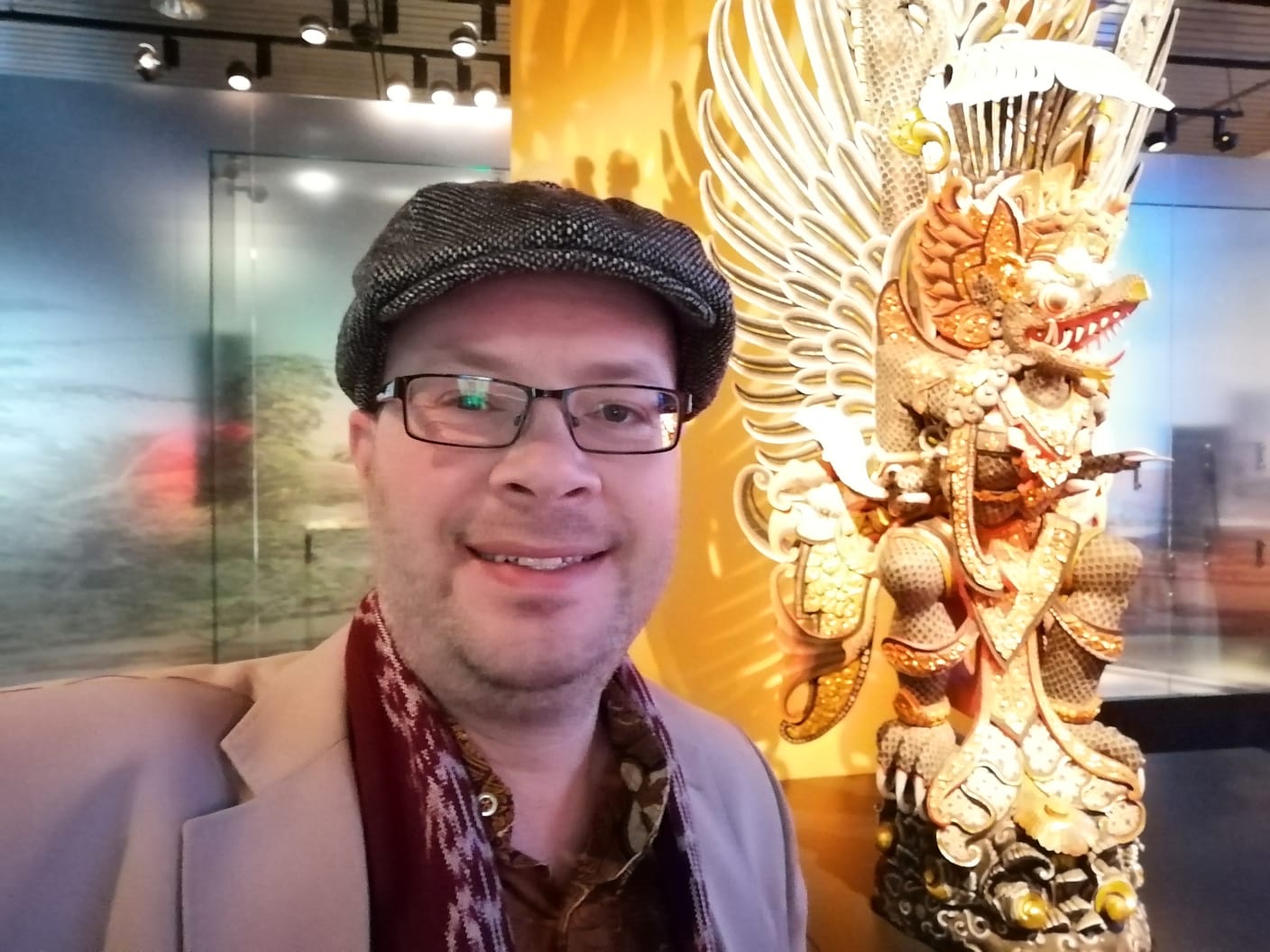
I recently returned from a visit to the Netherlands for a conference and series of meetings organised by Nahdlatul Ulama in the Netherlands. During my stay, I visited the Wereld Museum in Leiden, a place filled with artifacts taken from various countries during the Dutch colonial era. Much like the British Museum in London, it’s a fascinating place to learn about different societies and cultures. However, the collection raises questions because many items were acquired at a time when local people had little say in the matter. Some were purchased legitimately, others not. This brings forth reflections on respect, human dignity, and how we treat one another as human beings.
At the Islam Summit in Arnhem, we discussed the experiences of Muslims in Europe, including those who have converted and those who have settled there. One key theme was the decolonization of Islam, a unique and thought-provoking topic that raises important questions: How has Islam been influenced by colonial powers? How do we ensure that the practice of Islam remains culturally relevant while avoiding a colonial mindset?
Indonesia offers a fascinating example, where Islam is locally cultivated and reflects Indonesia’s diverse cultures. This stands in contrast to other regions where Islam often arrived with cultural aspects that were imposed along with the faith, particularly in Europe and the Americas. Converts to Islam can sometimes feel pressured to adopt foreign cultures, and even people whose families immigrated generations ago may face similar challenges. While drawing inspiration from different cultures can be positive, no one should feel pressured to accept elements that don’t suit them.
Cultural exchange should always be voluntary and respectful. Throughout history, humans have naturally shared customs and ideas, leading to the wonderful diversity we see today. However, the colonial era saw powerful nations pressing their influence on others, causing great harm.
Given the challenges we face today, we must ask ourselves how to move forward. Tensions between communities and nations are increasing, and people worry about the potential for global conflict. In these uncertain times, it’s crucial to foster understanding between different groups, whether divided by politics, faith, or ethnicity.
Building bridges of understanding isn’t enough; we must cross these bridges and genuinely connect with one another. Despite our differences, we share a common humanity. Our differences can be a source of beauty rather than division, making life interesting and enriching our interactions.
So, let’s commit to discussing difficult issues respectfully and listening to each other, especially when we disagree. By starting from this place, we can build a better world where we appreciate one another rather than tear each other down. May Allah ﷻ guide us to this noble goal.
Kyai Paul Salahuddin Armstrong, Muslim Chaplain of University of Birmingham